
Canyoning Bags
A decent canyoning rope bag makes a big difference. It might be carrying rope, rigging kit, spare layers, snacks, first aid stuff, or the usual wet canyoning clutter that somehow triples in volume once you’re trying to pack it in a hurry.
Choosing the right size can be a bit confusing. Too small and you’ll be fighting with wet rope at the worst possible moment. Too big and you’re carrying a soggy bin around for no reason. This guide gives a rough idea of what the different sizes are best for.
None of this is an exact science. Rope diameter, how much rope you’re carrying, how neatly it’s packed, whether the bag drains well, and how much other kit you’ve shoved in there will all make a difference.
Quick canyoning bag size guide
| Bag size | Best for | Rough use | Typical options |
|---|---|---|---|
| 28 litres | UK canyoning, shorter trips, courses, modest rope loads | Small to medium rope loads | Rodcle Formiga 28 |
| 30 litres | UK canyoning, fast drainage, wet rope, general use | Small to medium rope loads | Grille 30 Litre Canyoning Tackle Bag |
| 35 litres | Medium trips, more kit, bigger rope requirements | Medium rope loads | Rodcle Rodellar 35 |
| 35 litres | Longer trips, continental canyoning, more structured carry | Medium rope loads plus kit | Rodcle Gorgonchon 35 |
| 45 litres | Big kit loads, instruction, continental trips, group gear | Larger rope and kit loads | Seland Canyoning Bag 45 Litres |
| Specialist rope bag | Lightweight rope handling, double-ended rope deployment | Rope-focused rather than general kit carry | Tebylon Feilong Double Ended Rope Bag |
Choosing by canyon type
The easiest way to choose a canyoning bag is to think about where you’ll actually use it.
For a lot of UK canyoning, you don’t usually need a huge bag. Pitch lengths are often fairly modest, and you’re not always carrying massive rope loads. A smaller canyoning bag like the Rodcle Formiga 28 or Grille 30 is often plenty.
For continental canyoning, you may want more capacity. Bigger pitches, longer rope requirements, longer approaches and more group kit can make a larger bag much more sensible. That’s where bags like the Rodcle Rodellar 35, Rodcle Gorgonchon 35 or Seland 45 litre bag start to make more sense.
Bigger is not automatically better. A 45 litre bag with hardly anything in it is just a big wet sack flapping around on your back like you’ve annoyed the canyon gods.
Small to medium canyoning bags: 28 to 30 litres
For UK canyoning, 28 to 30 litres is a very useful size range. It gives you space for rope and essentials without turning the bag into a full expedition load.
The Rodcle Formiga 28 is a compact canyoning bag for trips where you only need a modest amount of kit. It’s a good size for UK canyoning, courses, club use and shorter days out.
The Grille 30 Litre Canyoning Tackle Bag is another good UK-friendly option. It has large PVC mesh panels for fast drainage, which is the whole point really. Nobody wants to carry three litres of accidental stream water because their bag has decided to become a bucket.
If you mainly canyon in the UK and don’t need to carry loads of rope, this size range is probably the safest starting point.
Medium canyoning bags: around 35 litres
Around 35 litres is useful when you need more space, but still don’t want a massive bag. It’s a good middle ground for longer trips, bigger rope requirements, or canyoning abroad where you might be carrying more kit.
The Rodcle Rodellar 35 is a medium-capacity canyoning bag for shorter to mid-length canyon trips where you need a bit more room than a compact 28–30 litre bag.
The Rodcle Gorgonchon 35 sits in a similar size bracket, but is the more premium, more structured option. It makes sense if you want something more comfortable and purpose-built for longer approaches, continental trips or regular use.
If you’re not sure whether 30 litres will be enough, but don’t want to jump straight to a 45 litre pack, 35 litres is a sensible compromise.
Larger canyoning bags: around 45 litres
A 45 litre canyoning bag is for bigger kit loads. It’s useful for instructors, group kit, continental trips, longer approaches, or days where you’re carrying more rope and hardware than you’d normally need in the UK.
The Seland Canyoning Bag 45 Litres is the big option in the range. It gives you much more room for rope and technical kit, with a padded back panel and internal organisation.
It’s not the bag I’d pick just for a short UK canyon with a small rope load. But if you need the space, you need the space. Better that than trying to compress wet rope into a tiny bag while everyone pretends not to watch you lose your mind.
Double-ended rope bags
Some canyoning rope bags are more about rope handling than general kit carrying.
The Tebylon Feilong Double Ended Rope Bag is a lightweight double-ended rope bag. That means rope can be deployed from either end, which can be handy for certain canyoning setups, rope management and keeping things moving efficiently.
It’s not really the same thing as a big general canyoning backpack. Think of it more as a rope-focused bag for people who know why they want that style of setup.
Drainage matters
Canyoning bags need to drain. That’s one of the main things that separates them from normal caving tackle sacks or dry bags.
You’re constantly in and out of water, so a bag that holds water quickly becomes miserable. Mesh panels, drainage holes and fast-emptying designs help stop the bag turning into a portable pond.
The Grille 30 is especially drainage-focused, with large mesh areas. Other canyoning bags use drainage holes and water-shedding materials to do the same job in a more backpack-style shape.
Comfort and carrying
Canyoning bags get carried on approaches, scrambled over rock, lowered, hauled, dragged, soaked and generally abused. Comfortable straps matter, but so does the shape of the bag.
If you’re only walking a short distance to a UK canyon, you might not care too much. If you’re on longer continental approaches, a more comfortable and structured bag becomes much more appealing.
That’s where the bigger and more premium bags earn their keep. The Rodcle Gorgonchon 35 and Seland 45 litre bag make more sense if you’re carrying heavier loads for longer.
Material and durability
Canyoning is rough on kit. Bags scrape against rock, get dragged through water, bashed around in plunge pools and generally live a hard life.
Look for tough PVC, reinforced fabric, decent stitching and sensible drainage. Lightweight bags are nice to carry, but they still need to survive real use. Heavier bags can be tougher, but they can also feel more awkward when full.
There’s no perfect answer. Canyons kill kit eventually. The aim is to buy something that suits the trips you actually do, not something that looks impressive in the garage.
What should I buy?
- For most UK canyoning: choose a compact bag like the Rodcle Formiga 28 or Grille 30.
- For a bit more room without going huge: choose a 35 litre bag like the Rodcle Rodellar 35.
- For a more premium, structured 35 litre bag: choose the Rodcle Gorgonchon 35.
- For bigger kit loads, instruction or continental canyoning: choose the Seland Canyoning Bag 45 Litres.
- For lightweight double-ended rope handling: choose the Tebylon Feilong Double Ended Rope Bag.
For a lot of UK canyoning, a 28–30 litre bag is enough. If you’re heading abroad, carrying more rope, or doing longer trips, look at 35 litres or bigger.
If in doubt, go for the smallest bag that comfortably carries the rope and kit you actually need. Future you will be grateful when you’re not hauling a half-empty wet monster up the walk-out.
Related Articles
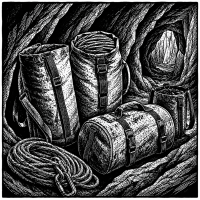
Tackle Sack Size Guide
One of the most important pieces of equipment for a caver is a rope bag, which is used to store and transport rope during a cave exploration. However, choosing the correct size of rope bag can be a bit tricky. In this blog post, we will guide you through the process of selecting the right size of rope bag for caving.
Read MoreRelated Products
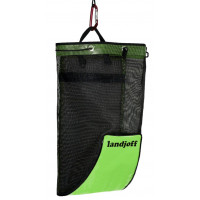
Grille 30 Litre Canyoning Tackle Bag
30L canyoning rope bag, floating PVC mesh, fast drainage, removable padded straps.
£49.49 £41.24
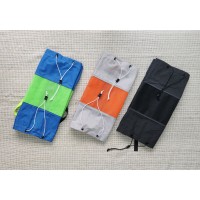
Tebylon Feilong Double Ended Rope Bag
Lightweight double-ended canyon rope bag, 320g, UHMWPE panels, floating pads.
£44.99 £37.49
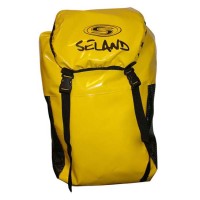
Seland Canyoning Bag 45 Litres
Large 45L canyoning pack, rugged drainage-friendly design, technical kit, wet canyons and approaches.
£71.50 £59.58