
Tackle Sack Size Guide
A decent tackle sack is one of the most useful bits of caving kit, whether you’re carrying rope, SRT kit, food, survey gear or a Daren drum.
Choosing the right size matters: too small and packing becomes a fight; too big and you’re dragging unnecessary bulk through crawls. This guide explains what each size is best for.
Rope capacity is only approximate. Rope diameter, packing, mud, water and any extra kit will all make a difference.
Quick tackle sack size guide
| Bag size | Best for | Rough rope capacity | Typical options |
|---|---|---|---|
| 3–5 litres | Small personal kit, snacks, first aid, survey gear, valuables | Not really a rope bag | Mini 3L, Personal 5L, Sachetto mini |
| 13 litres | Compact personal SRT kit, small handline setups, short trips | Short handlines / small rope loads only | Rodcle EcoSac 13 |
| 16–19 litres | Personal caving kit, SRT kit, short ropes, food and water | Approx. 40–60m | 17L bag, Rodcle Mini 119 |
| 22–24 litres | General caving use, regular club rope bags, medium pitches | Approx. 60–90m | Landjoff 22L, Steinberg 22L, Rodcle Medium 224 |
| 25 litres | Rope plus extra kit, instruction, easier rope stuffing | Approx. 70–80m | Bucket-style tackle bags |
| 28 litres | Larger rope loads, deeper trips, regular club use | Approx. 90–100m | Landjoff 28L, Steinberg 28L |
| 33 litres | Big pitches, long ropes, bulky kit | Approx. 100–120m | Large Landjoff-style tackle sacks, Steinberg 33L Ovoidale |
| 43 litres | Expedition packing, bulky kit and big approaches | Large mixed loads; not primarily sized by rope length | Steinberg 43L Zaino |
Choosing by rope length
Start with the rope you need to carry. Allow enough spare room for easy packing, particularly when the rope is wet or muddy, without making the bag unnecessarily bulky.
- Short handlines or small personal loads: 13–19 litres is usually enough.
- Regular caving ropes: 22 litres is the classic useful size.
- Longer ropes and bigger pitches: 24–28 litres gives you more room.
- Big rope loads: 33 litres is useful, but heavy when full.
Small personal bags: 3 to 5 litres
Small personal bags are for snacks, first aid, survey kit, spare batteries, valuables and repair items rather than rope. They also keep small kit organised inside a larger tackle sack.
Options include the Mini 3 Litre Personal Caving Bag, Personal 5 Litre Caving Bag and Sachetto mini Personal Caving Bag.
Use a proper dry container as well for anything delicate; a personal bag alone is not waterproof.
Compact personal bags: around 13 litres
A 13 litre bag bridges the gap between a small pouch and a full rope bag. It suits personal SRT kit, a short handline, food, water, spare layers or incident kit.
The Rodcle EcoSac 13 is a compact caving bag with shoulder straps and carry handles, without the bulk of a full-size tackle sack.
Personal caving bags: 16 to 19 litres
A 16–19 litre bag is a useful personal size: manageable through awkward passage, but roomy enough for SRT kit, food, water, spare layers or a short rope.
The Landjoff 17 Litre Caving Bag is a practical option. The tougher Rodcle Mini 119 adds more carry handles and a more robust construction.
This can be a good first bag for newer cavers who do not need a full club rope sack.
Medium tackle sacks: around 22 to 24 litres
A 22–24 litre tackle sack is the most useful all-round size for regular UK caving. It carries a useful amount of rope while remaining manageable underground.
The Landjoff 22 litre and Steinberg 22 litre bags are solid everyday choices. The premium Rodcle Medium 224 offers a tougher build and several carry handles.
If you want a first proper rope bag without a specialist use in mind, start here.
Large tackle sacks: 28 to 33 litres
Large tackle sacks suit deeper trips, longer ropes and heavier club use. A 28 litre bag adds useful space while remaining fairly manageable; a 33 litre bag is intended for genuinely big rope loads.
Landjoff Extra Tough bags are simple PVC rope sacks. The Steinberg 28 litre Ovoidale and 33 litre Big Ovoidale offer a different shape and features such as haul lines and internal rope attachment points.
Bigger is not always better: a large bag full of wet rope becomes very heavy.
Expedition backpacks: around 43 litres
A 43 litre backpack is designed for expedition packing, bulky kit and long approaches. It is likely to be excessive for ordinary sport caving.
The Steinberg 43 Litre Zaino combines padded shoulder straps with tough PVC construction, a haul line and an internal rope attachment point.
Bucket-style tackle bags
Bucket-style bags stay open for easier loading and access. They work well for rope handling, instruction, rescue and work-at-height use.
The trade-off is their bulky shape, which makes them less suitable for ordinary sport caving.
What about canyoning bags?
Canyoning bags prioritise drainage, flotation, wet-rope handling and carrying comfort. Standard caving tackle sacks are designed more for hauling kit through cave passage.
For canyoning or wet rope work, see our separate canyoning rope bags guide.
Dry bags, drums and canisters
A dry bag is not a substitute for a caving tackle sack. It can keep kit dry, but may not withstand being dragged or hauled over rock.
Daren drums, Daren jars, dry canisters and rugged cases protect food, phones, cameras, first aid and batteries.
Use the tackle sack for transport and a suitable inner container for protection.
What should I buy?
- For snacks, survey kit and small essentials: choose a 3 litre, 5 litre or small personal bag.
- For compact SRT kit or short handlines: choose something around 13 litres, such as the Rodcle EcoSac 13.
- For your own caving kit: choose a 17 litre or 19 litre personal caving bag.
- For a first general rope bag: choose a 22 litre or 24 litre tackle sack.
- For longer ropes and larger club loads: choose a 28 litre or 33 litre bag.
- For expeditions and long approaches: choose the 43 litre Steinberg Zaino.
- For keeping kit dry: place a Daren drum, jar, canister or rugged case inside your tackle sack.
- For canyoning: use the separate canyoning rope bags guide.
For many cavers, a small personal bag and a 22 litre rope bag will cover most trips. Add a 28 or 33 litre bag only when you regularly carry larger ropes.
If in doubt, choose the smallest bag that comfortably carries the rope or kit you need.
Related Products

17 Litre Caving Bag
Compact rope/large personal bag, 17 litres, PVC construction, shoulder straps, drainage eyelets, carries around 40–50m rope.
£27.19 £22.66
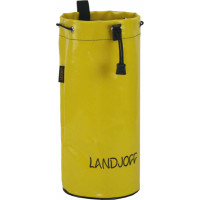
Personal 5 Litre Caving Bag
Small personal bag, 5 litres, PVC construction, drain eyelet, snacks, survey kit or emergency essentials.
£12.09 £10.07

22 Litre Caving Tackle Bag
Medium Landjoff tackle bag, 22 litres, PVC build, carries roughly 60m rope, regular caving use.
£30.99 £25.83

Bucket 25 Litre Tackle Bag
Bucket-style tackle bag, 25 litres, easy access, rope and bulky kit for wet underground trips.
£49.49 £41.24
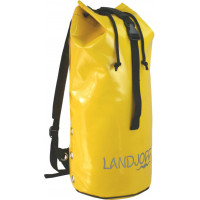
28 Litre Extra Tough Caving Tackle Bag
Large Landjoff rope bag, 28 litres, tough PVC, drainage eyelets, carries around 90–100m rope.
£39.99 £33.33

33 Litre Extra Tough Caving Tackle Bag
Large Landjoff rope bag, 33 litres, tough PVC, drainage eyelets, carries around 100–120m rope.
£42.99 £35.83
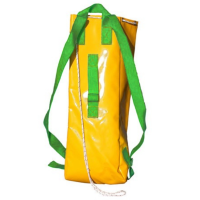
28 Litre Ovoidale Caving Tackle Bag
28L Steinberg ovoidale bag, tough PVC, integrated haul line, internal rope clip.
£36.59 £30.49
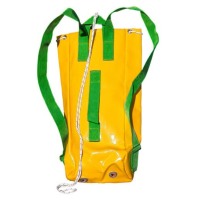
22 Litre Mini Ovoidale Caving Tackle Bag
Rugged Steinberg tackle bag, 22 litres, heavyweight PVC, drainage eyelets, haul line, fits Daren Drum.
£33.99 £28.33
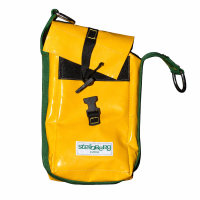
Sachetto mini Personal Caving Bag
Mini Steinberg pocket bag, compact storage, small essentials, snacks, first aid or delicate kit.
£23.39 £19.49
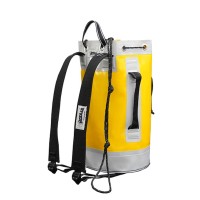
Rodcle 19 Litre Caving Bag
19L compact caving bag, abrasion-resistant construction, top/bottom/side handles
£63.99 £53.33
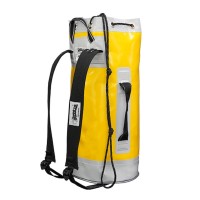
Rodcle 24 Litre Caving Bag
24L caving bag, flexible abrasion-resistant construction, top/bottom/side handles
£72.99 £60.83
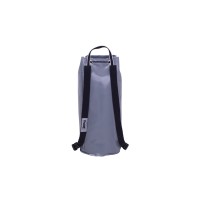
Rodcle EcoSac 13 Litre Caving Bag
13L affordable personal kit caving bag, adjustable shoulder straps, top/bottom handles
£27.99 £23.33
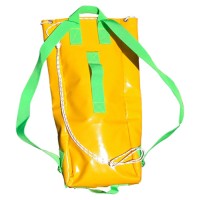
33 Litre Ovoidale Caving Tackle Bag
33L Steinberg Big Ovoidale bag, tough PVC, integrated haul line, internal rope clip.
£42.59 £35.49
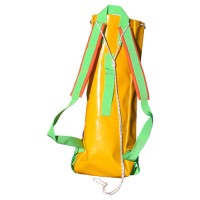
43 Litre Zaino Caving Tackle Bag
43L Steinberg giant tackle backpack, tough PVC, integrated haul line, internal rope clip.
£47.39 £39.49